
The Making of a Waiter
A Gentleman in MoscowThis thread follows Count Alexander Ilyich Rostov’s transformation of aristocratic social skills into a demanding vocation of service.
increasing Bearing strength in each event
 decreasing
Bearing strength in each eventdecreasingA Gentleman Without Occupation

A New Definition of Work
The Old View
Count Alexander Ilyich Rostov once considers occupations unsuitable for gentlemen. His days are devoted to dining, reading, conversation, and the social arts.
Circumstances Change
House arrest removes the freedoms that made leisure his identity. The Count must discover how to remain useful within a life he did not choose.
Learning the Hotel’s Work

Attention to Service
Observation
The Count watches how the Boyarsky’s maître d’, chef, and waiters create an effortless experience. He already understands the value of timing, tact, and reading a room.
Skills Reframed
His former social abilities become useful in a workplace. He begins to see service not as a lesser status but as a craft demanding precision and judgment.
The Headwaiter’s Position
A Place at the Table
Daily Responsibility
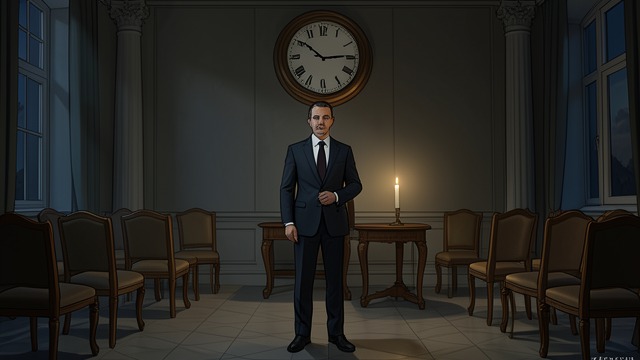
Count Alexander Ilyich Rostov becomes headwaiter and helps decide how the Boyarsky operates. He uses his knowledge of personalities to seat guests and prevent conflicts.
Influence Without Office
The Count’s authority is practical rather than political. He protects the restaurant by anticipating needs that official procedures cannot recognize.
The New Paperwork

Service Mechanized
A Procedure Imposed
Bishop Leplevsky introduces written slips, ledgers, and stamped receipts for restaurant orders. The process slows service and leaves food cold.
The Count Objects
Count Alexander Ilyich Rostov argues that paper has a place, but not at the expense of eye contact and timely attention. The conflict tests whether craftsmanship can survive bureaucracy.
A Service That Endures
The Final Dinner
A State Occasion
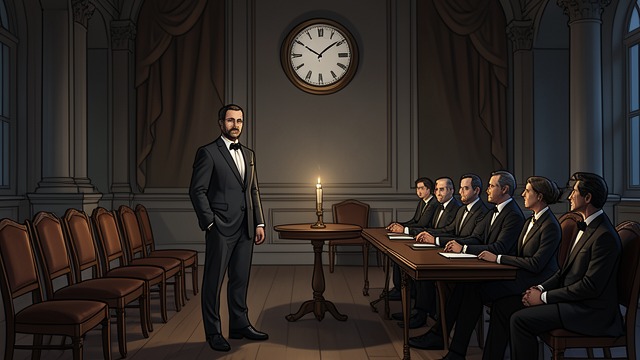
Count Alexander Ilyich Rostov oversees the dinner of the Presidium and Council of Ministers after Andrey Duras claims illness. He manages powerful guests with the same careful attention he has given ordinary diners.
A Last Act of Work
The Count’s report of the dinner helps Sofia’s escape and becomes part of his farewell. Service has evolved from a job into a means of protecting people he loves.
1922
1922–1923
1930
1953
June 1954
